
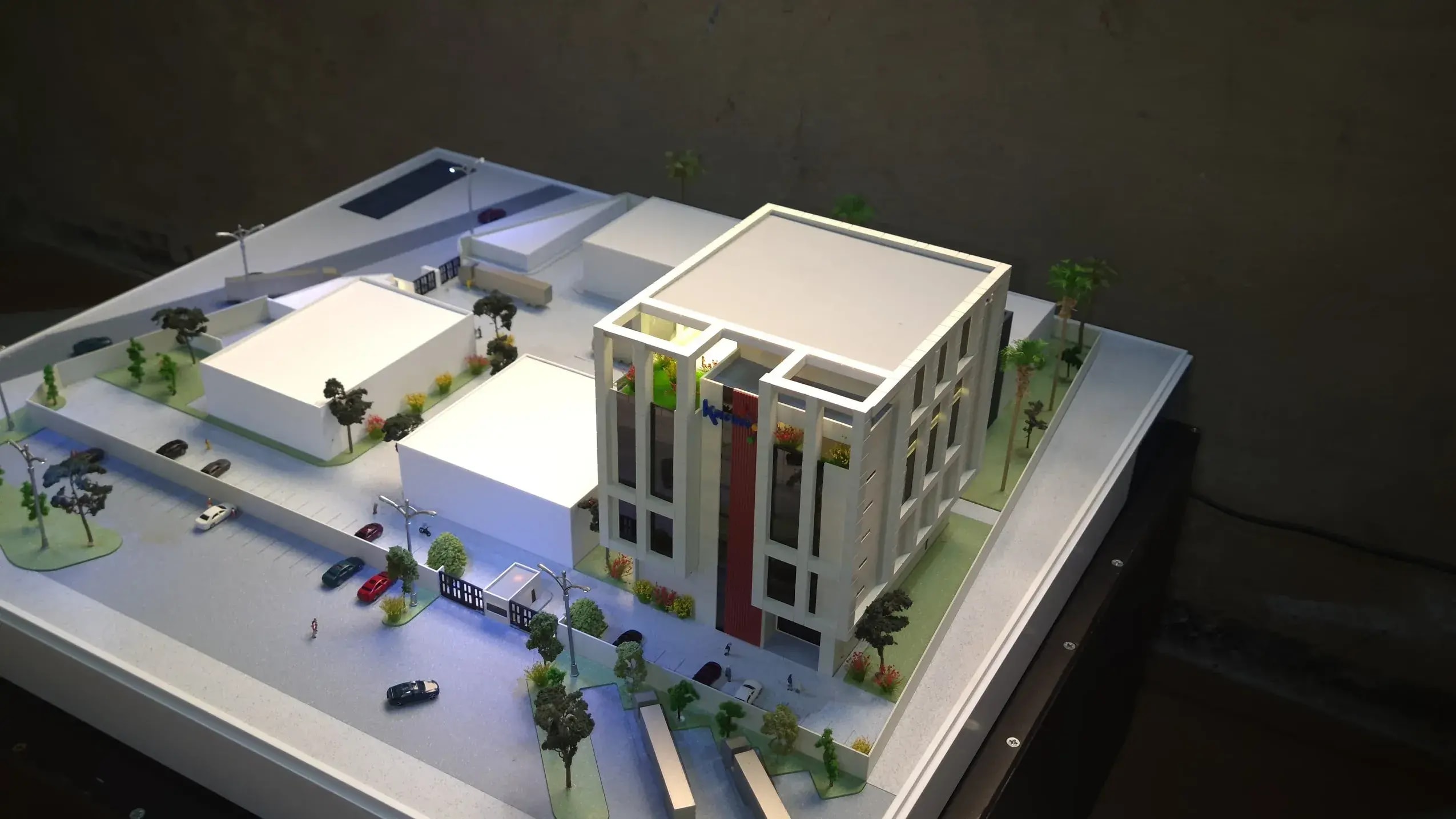
Model making in architecture involves creating physical representations of architectural designs. These models serve as vital visual tools for communication, design validation, client presentations, and investor pitches — bridging the gap between a 2D drawing and the finished built environment. But beyond the utility, there is a profound art to deciding *how* a model should be built.
Choosing the Right Model Style
Not every project requires a fully illuminated, full-color presentation model. Depending on the phase of the project, different modeling philosophies apply:
- Massing Models: Typically constructed from monochromatic materials like white acrylic or untreated timber. These are essential during the early conceptual phases to study bulk, scale, and contextual relationships without distractions regarding facade materials.
- Sectional Models: The perfect tool for projects with complex interior volumes (like theaters or museums). These models slice through the building hierarchy, exposing the interplay between floors and structural vaults.
- Fully Detailed Presentation Models: The golden standard for sales galleries. These feature exact color matching, landscape detailing, and interactive LED zoning.
The Impact of Materiality
The materials chosen for a scale model fundamentally dictate its aesthetic impact. High-end developments often demand models that reflect their luxury status. At ODK Models, we frequently deploy polished metal accents, frosted acrylics to simulate premium glass, and intricate 3D-printed custom geometries for complex facades.
Future Trends in Model Making
The future of physical model making is highly integrated. We are seeing a massive shift towards hybrid presentations, where physical scale models interact with augmenting technologies. For example, projection mapping systems casting dynamic traffic patterns or daylight simulations directly onto physical massing models.
When selecting a studio to execute your vision, consider not just their ability to cut parts, but their capacity to execute a comprehensive artistic vision that does your design justice.