
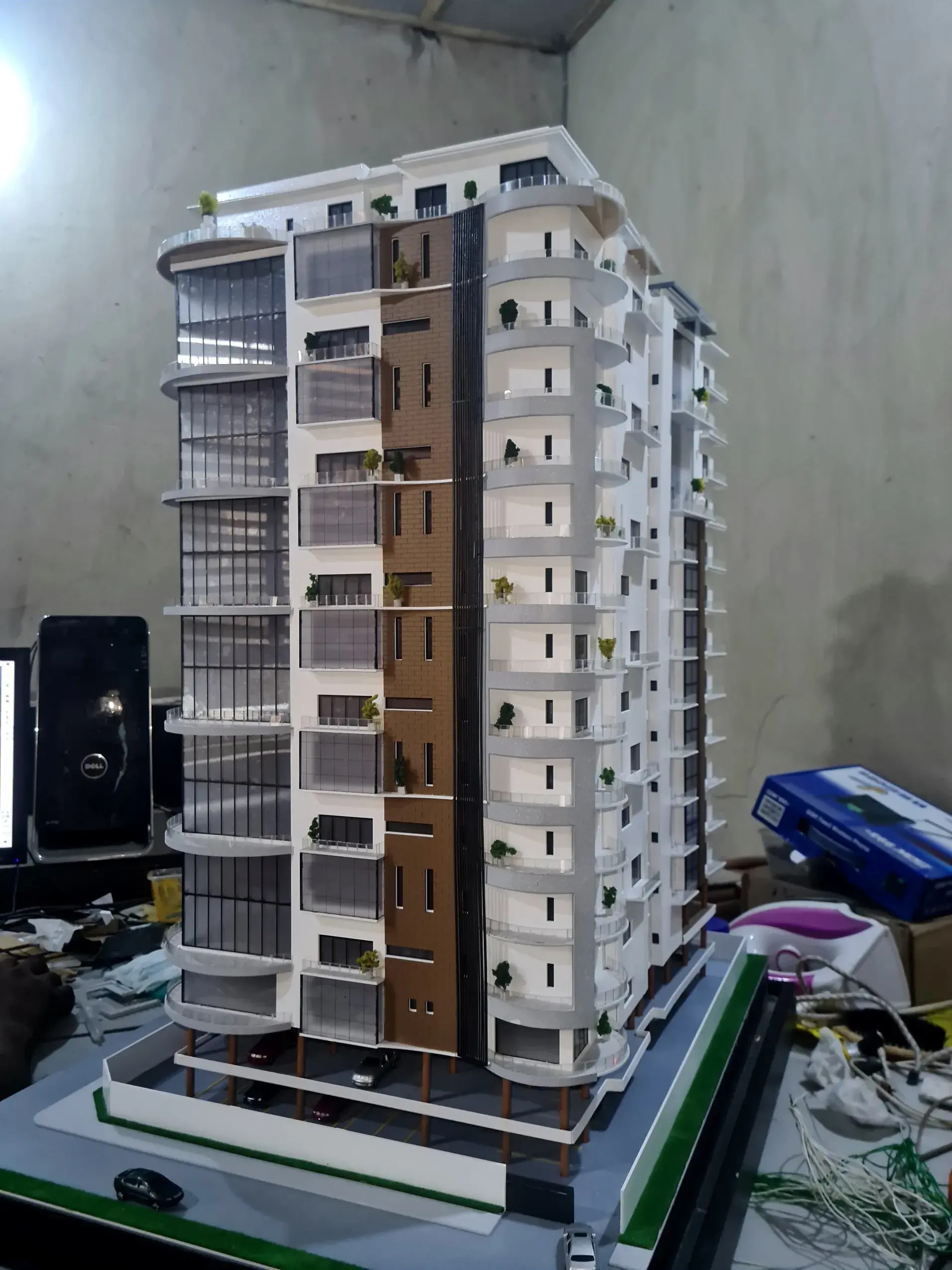
In the highly competitive landscape of real estate development, relying solely on blueprints and digital renders is rapidly becoming insufficient. Decision-makers, investors, and prospective buyers crave tangible understanding. This is exactly where an architectural site model demonstrates unparalleled value. A site model doesn't just show a building—it communicates the holistic interaction between a development and its immediate environment.
What Exactly is a Site Model?
A site model refers to a physical, scaled representation of a building project in conjunction with its surrounding context. Unlike a detailed interior model or a massing model focusing only on the exterior shell, the site model includes topography, infrastructure, neighboring structures, landscaping, and geographical orientation. They often range in scale from 1:200 to 1:1000 depending on the project's scale.
Why Developers Must Prioritize Site Context
Building success in real estate requires more than selling the features of an individual structure; it requires selling the lifestyle and the integration of the structure into its neighborhood.
- Investor Clarity: Investors look for seamless infrastructure. A site model instantly reveals vehicular access points, parking logistics, and pedestrian circulation.
- Regulatory Approvals: Urban planners and zoning boards heavily favor projects that clearly illustrate their impact on adjacent properties, shading angles, and wind corridors. A site model provides this macro-level clarity instantly.
- Buyer Emotional Connection: High-ticket residential buyers want to know if their balcony overlooks a serene park or a busy intersection. Tangible models ground their expectations in reality.
"A picture tells a thousand words, but a physical scale model answers a thousand questions before they're even asked."
Material Choices and Presentation
Modern site models leverage high-grade acrylics, CNC-machined wood, and laser-cut ABS plastics to offer pristine finishes. At ODK Models, we specialize in weaving detailed contextual landscaping into these models, utilizing interactive LED systems to allow clients to illuminate specific zones—from street lamps to specific amenity blocks—adding unprecedented depth to real estate pitches.